
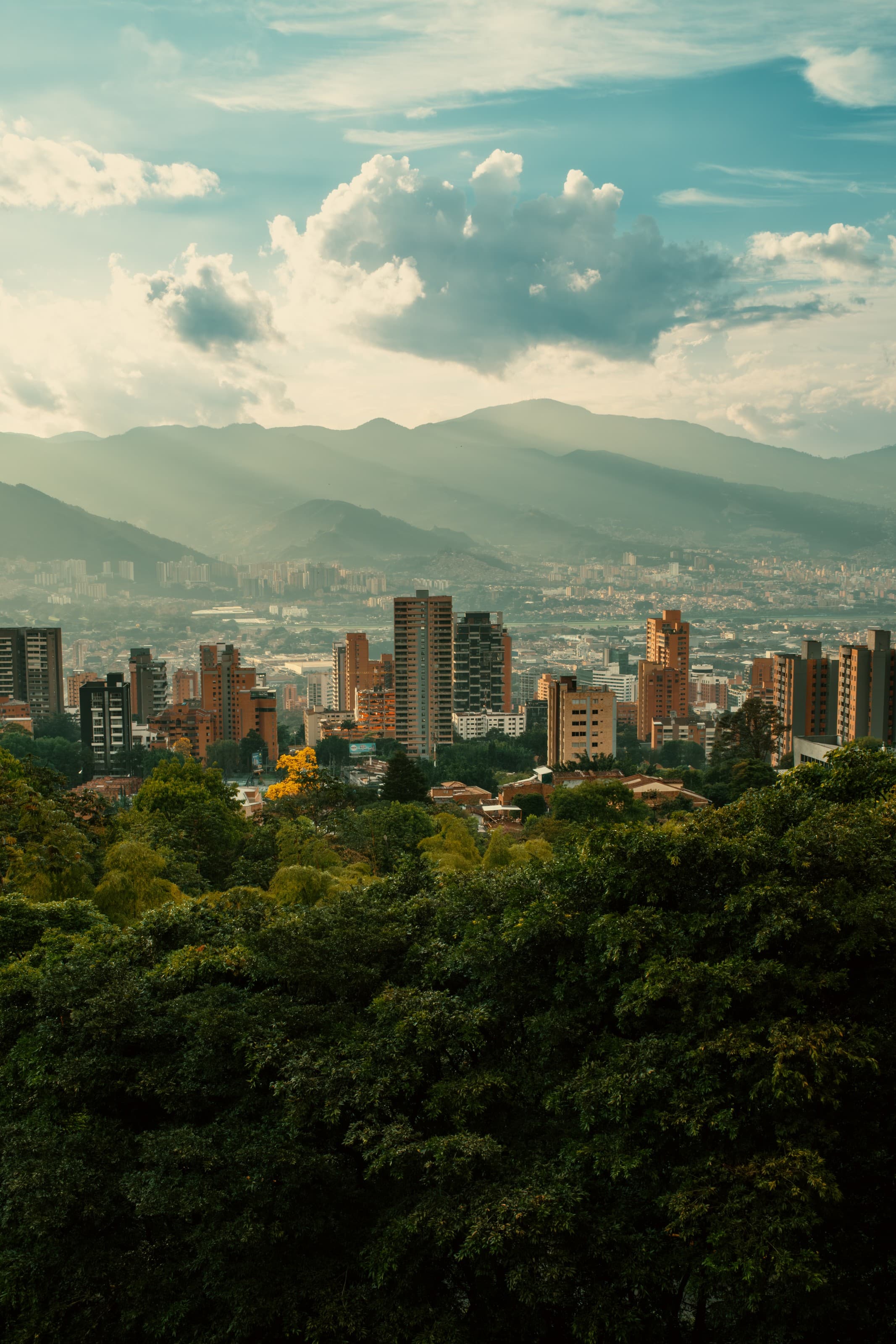
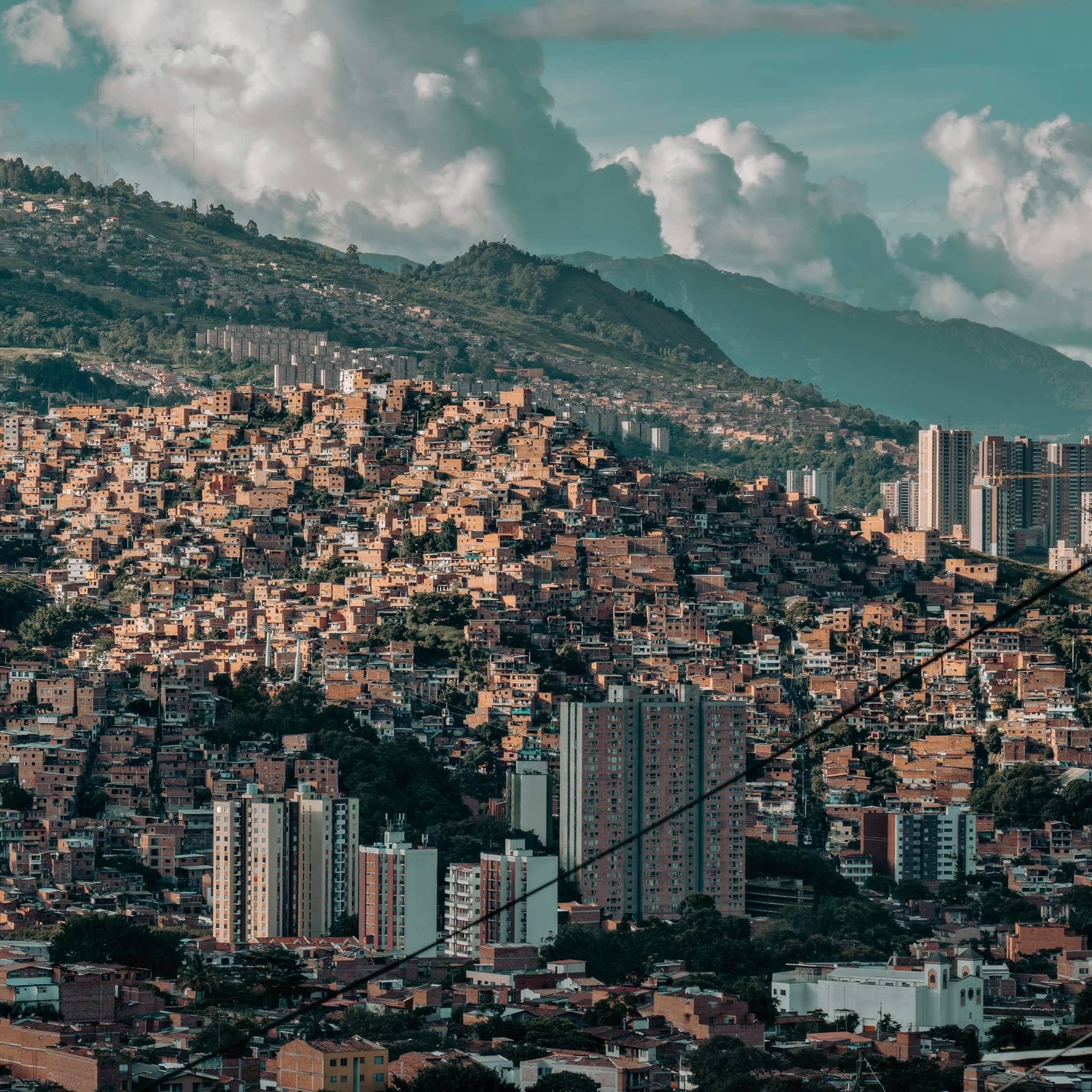
Who's searching for Medellín real estate? Foreign demand, measured
Search interest has cooled ~30% from the 2025 peak and globalized well beyond the US. What our daily demand tracking says about the market you're actually entering.

Every Medellín real estate pitch since 2021 has leaned on the same slide: foreign demand is exploding, get in before the wave. We track the actual wave — Google search interest in Medellín property, refreshed daily into our database — and the mid-2026 picture is more interesting than the slide: global search interest has cooled roughly 30% from its mid-2025 peak, and the demand that remains is more geographically diverse than the "Americans are coming" story suggests.
That's not a bearish take. It's what a market looks like when froth burns off — and if you're a buyer, it's the best backdrop you've had in three years. Here's what the data shows and what we think it means. (The live, always-current version of these charts sits on the market data page; this article is the dated snapshot you can cite.)
The 12-month cooldown
Google Trends indexes search interest relative to its own peak — a value of 50 means half the search volume of the best week in the window. Our tracked series for Medellín-property searches ran in the mid-70s in mid-2025 and enters July 2026 around 50. Interest didn't collapse; it normalized. The pattern matches what we feel in the funnel: fewer "I saw a TikTok about Medellín" leads, a higher share of leads with a budget, a timeline, and specific neighborhoods in mind.
For sellers this means realistic pricing matters again — the marginal buyer who'd overpay from FOMO is scarcer, which is exactly what our days-on-market medians show (El Poblado sale listings now sit ~200 days at median). For buyers it means the negotiating leverage that vanished in 2022–2024 is quietly back.
Where the demand actually comes from
The geographic mix in our current window is not the mix most people assume. The United States remains a top source — but it shares the top tier with South Korea, Singapore, and the United Arab Emirates, with meaningful interest from Mexico, Peru, the Netherlands, and Switzerland behind them.
Two honest caveats before anyone builds a thesis on that: Trends' country breakdown is a relative index on modest samples, so tier ordering jitters week to week; and search interest is not wire transfers — it's attention. But the structural read has held across our tracking window: Medellín property attention has globalized. The buyer pool the city's marketing was built for (North American, English-speaking, dollar-earning) is now one segment among several, including Asian and Gulf capital that most local agencies have no channel to reach.
What we're doing about it, and what you might
For our own operation, this data drove two decisions worth stating openly: we publish our market data in English and Spanish with USD/COP toggles because the demand mix demands it, and we underwrite listings at today's demand levels, not 2023's — which is why every income property on our books carries a broker-entered rent estimate instead of a platform fantasy.
If you're a buyer: a normalizing demand curve plus ~200-day median market times equals negotiating room — use the neighborhood medians as your anchor. If you're a seller: price to the data on day one, because the 300-day listings on the portals are what pricing to 2023 looks like. And if you're a fellow publisher or analyst: all of this data is free to cite with a link — the live series, country breakdown, and methodology live on our market page, and the numbers in this article are the July 2026 snapshot of it.